Working with dogs takes time, not treats
Every dog session starts the same way: camera in the bag, lens cap on, and a walk. It is the part clients never expect, and the part that decides how the pictures turn out.
A dog that has just met you will watch you, not the camera. It reads your posture, your voice and the strange black object in your hands. If I start shooting straight away, every frame shows a dog waiting to find out what I want.
So the first twenty minutes are spent doing nothing useful. We walk, the owner talks, the dog sniffs the whole street. By the time the camera comes out, I am no longer new.
The first fifty frames are the dog performing. The real ones come after that.
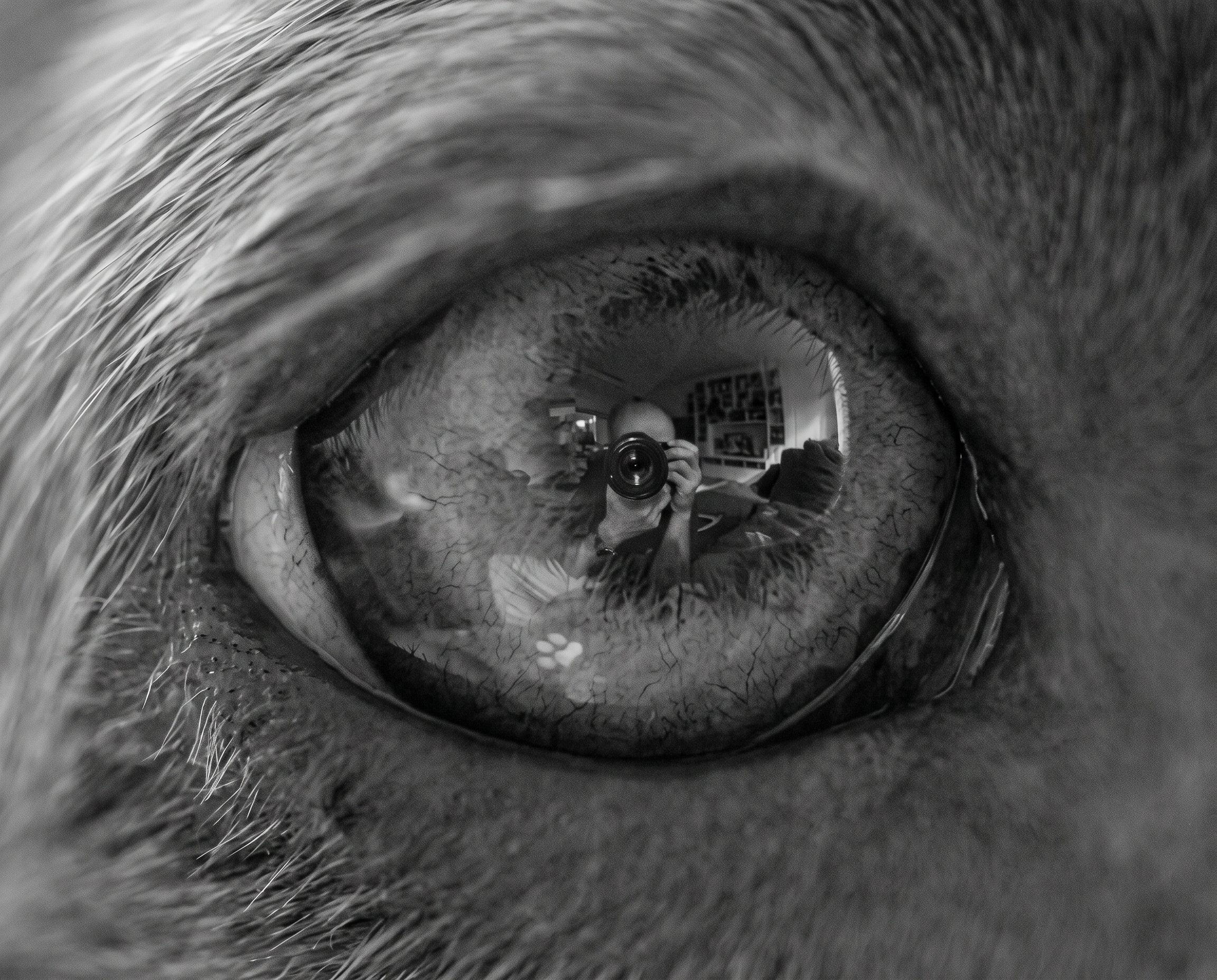
Once the dog settles, I work from the ground at its own height. Eye level changes everything: the background drops away, the ears sit against open sky, and the dog looks like itself instead of something being photographed from above.
Then I keep going long after the obvious frames are in. The first fifty pictures are the dog performing. The good ones almost always come at the end, when everybody has slightly lost interest and the dog finally relaxes into a real expression.
From this story
What it comes down to
- Arrive early and leave the camera in the bag
- Shoot from the dog's eye level, never from standing
- Plan for a long session, the best frames come late
Ready to plan your shoot?
Get in touch